
OPERATIONAL MEDICINE & RESCUE TRAINING
Custom training for professional teams operating where conventional medicine and rescue stop.
MILITARY • LAW ENFORCEMENT • EMS • RESCUE
TRAINING CAPABILITIES
Every program is built around your team, mission, equipment, procedures, operating environment and objectives. Rescue & Coffee does not provide generic, off-the-shelf courses.
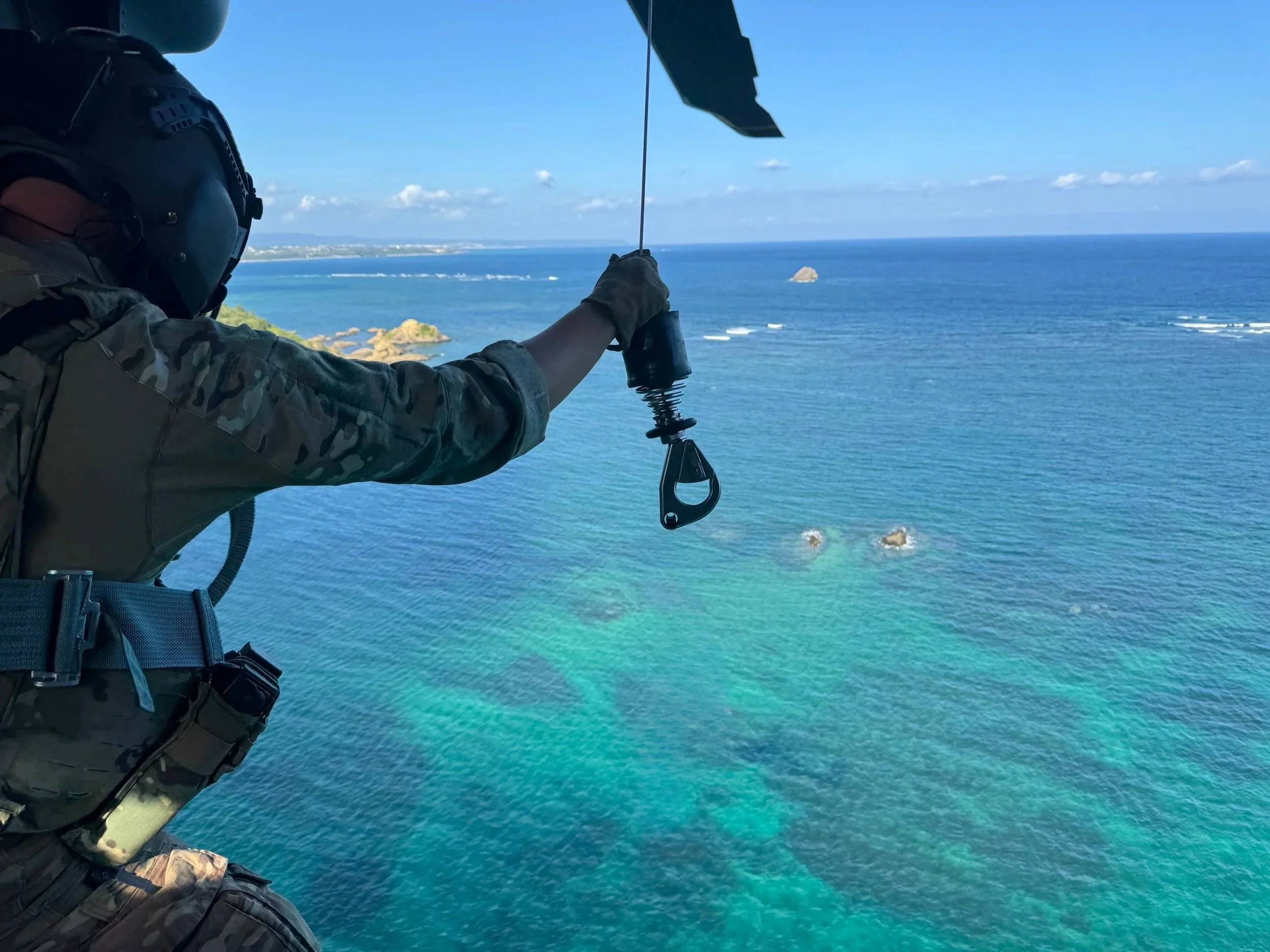
RESCUE & HOIST OPERATIONS
Putting a rescuer on the patient and bringing both back to the aircraft—in mountain, urban and water terrain, day or night. The focus is crew coordination, aircraft-specific procedures and complex extractions.
Examples may include
- Hoist operator and rescue specialist training
- Mountain, urban and water operations
- Complex extraction scenarios
- Night and reduced-visibility operations
- Aircraft-specific procedures
- Team integration and mission rehearsal
OPERATIONAL MEDICINE
Keeping a casualty alive when evacuation is delayed and resources are limited—from tactical combat casualty care and damage-control resuscitation to prolonged casualty management.
Examples may include
- Tactical and combat casualty care
- Prolonged casualty management
- Advanced prehospital procedures
- Damage-control resuscitation
- Team-based medical scenarios
- Medical decision-making under operational pressure
MOUNTAIN & EXTREME ENVIRONMENT MEDICINE
Treating patients where terrain, cold, altitude and distance are the main threats—mountain emergency medicine, environmental illness and injury, and remote casualty management, integrated with the rescue itself.
Examples may include
- Mountain emergency medicine
- Environmental illness and injury
- Remote casualty management
- Alpine rescue integration
- Expedition medicine
- Complex scenarios in difficult terrain
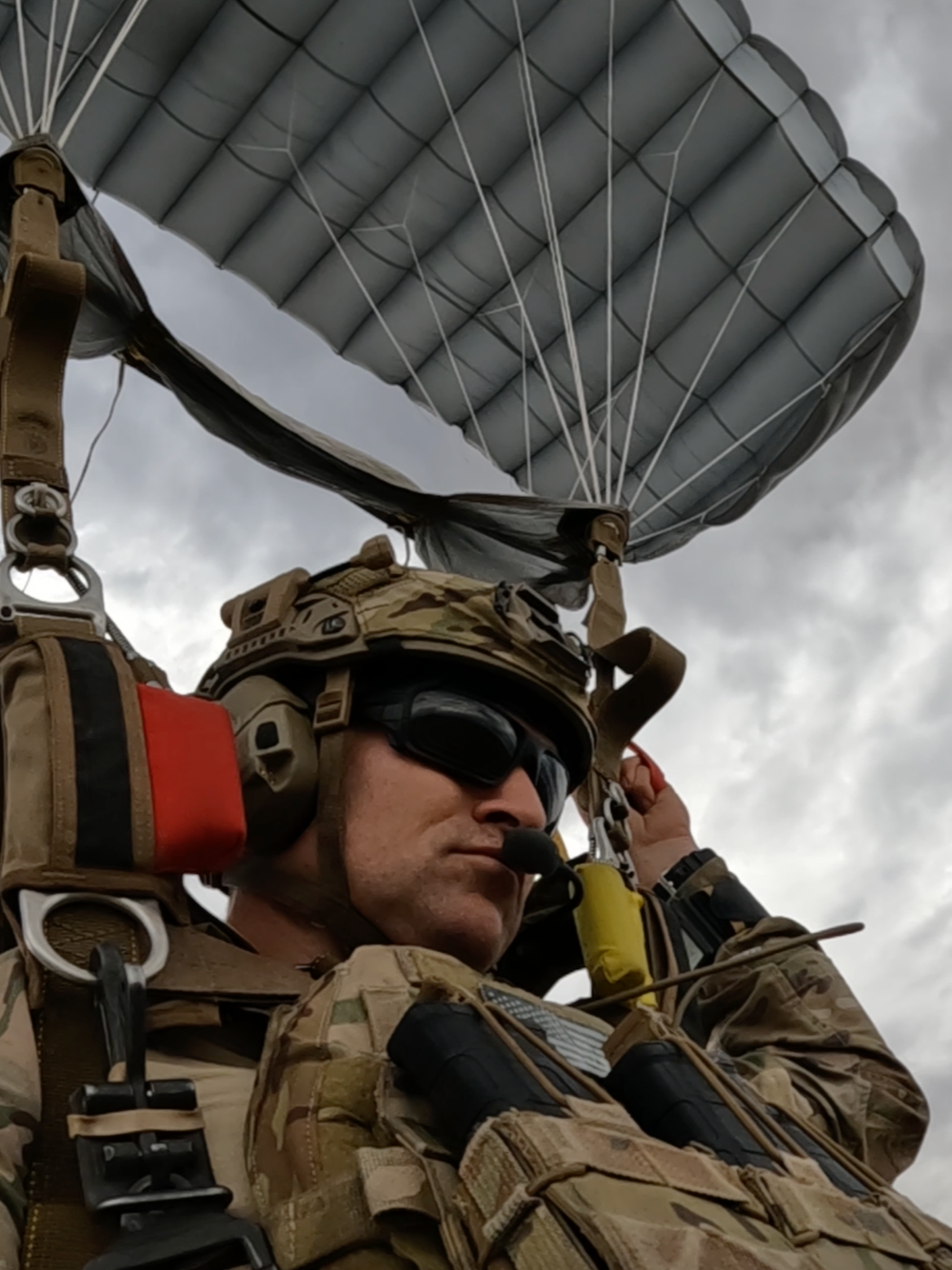
Experience that comes from doing the job
Training is led by Oliver Kreuzer, a U.S. Air Force Pararescueman and former Air Zermatt helicopter rescuer, with 18 years of alpine and operational rescue experience, more than 1,600 rescues and over 340 hoist missions.
He has taught Mountain Emergency Medicine and DiMM courses since 2008, including for Air Zermatt, and is a current voting member of the Joint Trauma System Committee on Tactical Combat Casualty Care.
- U.S. Air Force Pararescueman (PJ)
- Former Air Zermatt helicopter rescuer
- Mountain Emergency Medicine & DiMM instructor, 2008–2025
- CoTCCC voting member — Joint Trauma System
- Military Freefall — HALO & HAHO
- Combat Diver — open and closed-circuit
- Hoist Operator & Longline Instructor
- Master’s Degree in Mountain Emergency Medicine
You can’t rescue at the level you refuse to train at.
— Jeff Love
Built around your mission
No two teams operate under the same conditions. Each program is developed specifically for the client—from focused skills training to complex, integrated mission scenarios.
- 01
Define the requirement
We discuss your mission, personnel, equipment, procedures, operating environment and performance gaps.
- 02
Design the program
Training content, complexity and scenarios are developed around your objectives and available resources.
- 03
Train in context
Training is delivered at your location or in an environment appropriate to the mission whenever practical.
- 04
Evaluate and refine
Performance feedback and operational lessons identify strengths, gaps and future training priorities.
Train for the environment you actually operate in.
Tell us about your team, mission and training objectives. We will develop a program around your operational requirements.
Discuss Your Training RequirementDISCUSS YOUR TRAINING REQUIREMENT
Tell us about your team, operating environment, equipment and training objectives. We will contact you directly to discuss the requirement and determine the most effective training approach.